


Australia’s child care sector has pushed past the $60 billion mark, capping a year of strong growth and rising investor activity. According to CBRE’s Intelligent Investment Child Care Centres report, the market is expanding at a rate of about 3 per cent a year.
Sandro Peluso, National Director, CBRE Healthcare & Social Infrastructure, said childcare has reasserted itself as a core investment market.
“The childcare sector is firmly re-establishing itself as one of Australia’s most sought-after investment classes, driven by acute supply-demand imbalances and the security of long-term income,” Mr Peluso said.
Gaps Expose Opportunity
Nationally, there are around 0.47 places per child across roughly 9,750 long day care centres, supporting about 840,000 children.
Demand is increasing by around 11,000 places per year under current settings. That could rise to about 24,000 if participation increases under changes to the federal Child Care Subsidy. From January 5 next year, eligible families will receive at least 72 hours of subsidised child care per fortnight.
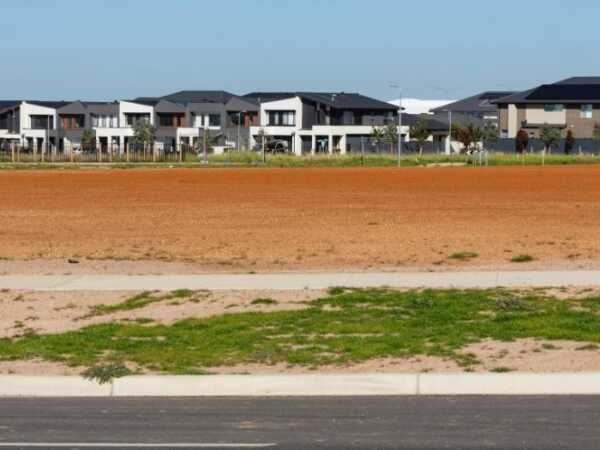
Mr Peluso said variances in childcare availability are creating highly targeted development opportunities, particularly in undersupplied growth corridors where population growth continues to outpace new centre delivery.
“These locations are seeing the strongest developer and operator interest, driven by the ability to achieve rapid occupancy and long-term rental growth,” he said.
“In contrast, more mature or oversupplied markets require a far more disciplined approach, with feasibility, site selection and operator covenant critical to project success.”
Capital returns as income drives competition
New supply has been running at around 30,000 places per year, alongside the loss of around 5,000 places annually through centre closures.
At the same time, investment activity has increased. The sector typically trades around $450 million in assets each year, rising to approximately $850 million in 2025, with most transactions involving single assets.
Yields generally sit between 4 and 6 per cent, depending on location, lease covenant and alternative use prospects.
Mr Peluso said the sector continued to attract significant capital due to its defensive characteristics and essential service profile.
“A key driver is the income profile and long-term leases, typically 15 to 20 years, underpinned by fixed annual increases, provide secure and predictable cash flow,” he said.
“In the current environment, that certainty is highly sought after by both domestic and international investors looking to balance volatility in other asset classes.”
Scale and Selectivity Ahead
Demand for childcare is expected to remain strong over the next 12 months, supported by population growth and government policy settings.
Mr Peluso said while broader economic conditions were driving price adjustments across the market, underlying demand remained steady.
“This is creating a more balanced pricing environment and presenting opportunities for well-capitalised investors to re-enter the sector,” he said.
“Demand for high-quality assets - particularly those underpinned by strong operators and long-term lease profiles remains deep, and we expect these assets to continue to perform strongly despite the broader recalibration.”