

Industrial property is booming in Australia, and savvy investors are taking notice. Factories, warehouses, and logistics hubs are in high demand, driven by economic growth, e-commerce, and shifting supply chains. But strong returns aren’t automatic - success depends on understanding the market, choosing the right property type, and navigating the practical realities of industrial operations.
This guide breaks down the basics: the different types of industrial property, key market trends, financing options, and practical considerations that separate a good investment from a bad one.
Types of Industrial Properties
Industrial property comes in many shapes and sizes, and knowing the differences can make or break your investment. Each type has distinct features, opportunities, and operational demands. Understanding them is the first step in making an informed choice.
Factory Types in Australia
Factories can be broadly categorised into three groups:
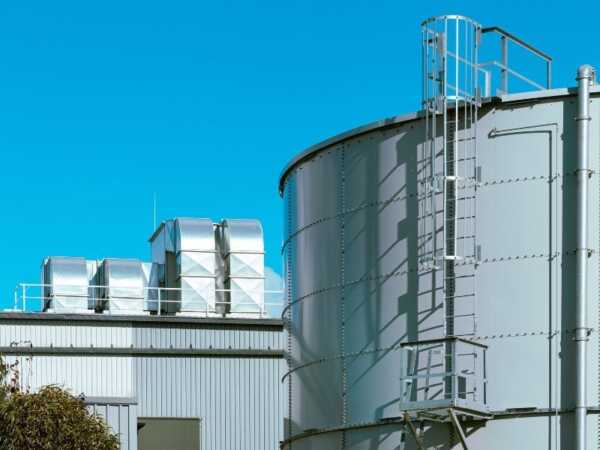
General Purpose Factories: Flexible spaces suited to light or heavy manufacturing — ideal for businesses planning to scale or diversify.Specialised Factories: Tailored to industries like food production, pharmaceuticals, or advanced manufacturing, often equipped with specialised machinery.High-Tech Factories: Modern facilities for tech-driven operations and start-ups, offering flexible layouts, advanced amenities, and adaptability to future needs.
When evaluating a factory, consider zoning regulations, utilities, and transport links. Each factor influences operational efficiency and long-term value. Consulting an industrial property expert can help ensure the site meets both practical and regulatory requirements.
Warehouse Options
While warehouses share some similarities with factories, their purpose and operational needs are very different. Choosing the right type can align your investment with market demand or business objectives.
Common warehouse types include:
- Distribution Centres: Large-scale facilities designed to move products quickly and efficiently.
- Fulfilment Centres: E-commerce-ready spaces often featuring automated inventory systems.
- Storage Warehouses: Basic facilities for holding goods, from retail stock to bulk commodities.
Understanding the distinctions ensures your investment matches your intended use or tenant profile, minimising operational risk and maximising returns.
Understanding Market Influences
Industrial property markets are shaped by broad economic forces rather than short-term fluctuations. Investors who focus on enduring trends can make decisions that stand the test of time.
- Supply Chain Dynamics: Shifts in logistics, e-commerce, and manufacturing influence warehouse and factory requirements.
- Economic Growth: A growing economy generally supports industrial property values and rental demand.
- Interest Rates and Financing: Borrowing costs affect investor decisions, but a strategic approach can mitigate risk.
- Location and Infrastructure: Proximity to transport routes, ports, and logistics hubs drives long-term demand.
Rather than focusing on city-specific pricing, smart investors watch these enduring trends to identify markets with growth potential and resilient returns.
Navigating the Buying Process
Buying a factory or warehouse takes more than just signing a contract. Financing, legal obligations, and due diligence require careful planning and professional advice.
Financing Options for Buyers
- Traditional Bank Loans: Competitive rates for prepared investors.
- Commercial Mortgages: Flexible terms designed for investment properties.
- Self-Funded Options: Using savings or equity from other assets.
Securing pre-approval can strengthen negotiating positions, while speaking with a financial adviser experienced in industrial property ensures your funding aligns with your investment goals.
Legal Considerations
- Contract of Sale: Outlines terms and conditions.
- Due Diligence Reports: Examine compliance, property condition, and operational suitability.
- Transfer of Title: Finalises legal ownership.
Engaging a commercial property lawyer early can prevent costly mistakes, ensure regulatory compliance, and provide peace of mind throughout the process.
For more on finding the right commerical asset for you see our article on How to value a commercial building.
The Final Word
Industrial property can deliver strong, strategic returns when investors make informed, deliberate decisions. Understanding property types, evaluating market influences, assessing financing options, and engaging expert guidance are essential.
For first-time investors, practical steps include setting clear budget limits, using digital tools to model returns, and consulting local industrial property specialists. With careful planning and attention to long-term trends, investors can navigate the complexities of industrial real estate and secure assets that offer enduring value and growth potential.